
How to Choose Suit Fabrics for Weddings
How grooms and wedding parties can think about suit fabrics, season, formality, and coordinated custom wedding menswear.
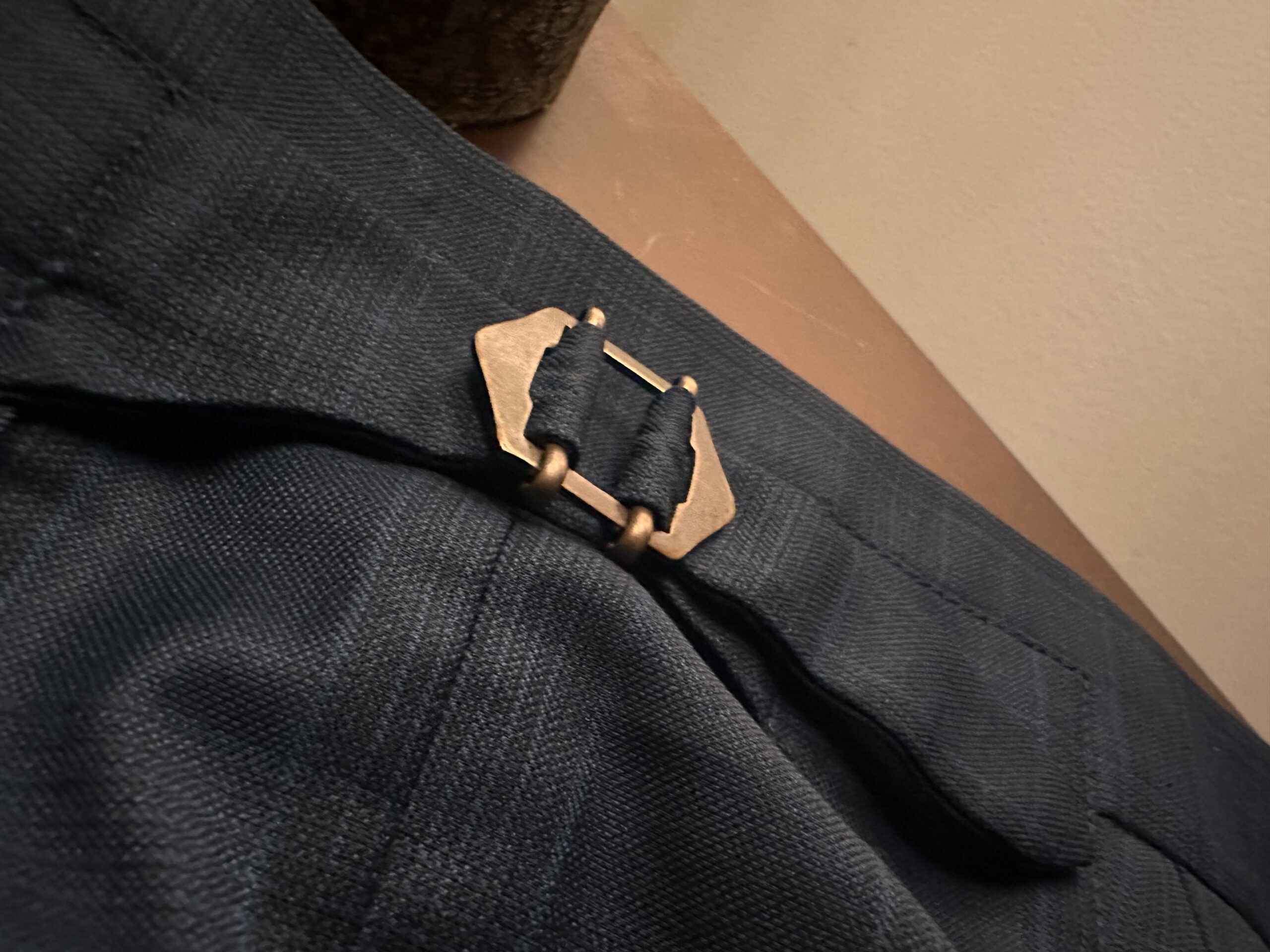
Start with the setting, not the swatch
Wedding suit fabric should support the day around it. Before choosing a cloth, think through the venue, season, time of day, and level of formality. A fabric that looks right for a formal evening ceremony may feel too heavy or too severe for a daytime outdoor wedding.
The best fabric choice is not always the most unusual one. For weddings, the goal is usually a suit that photographs well, feels appropriate in the setting, and gives the groom confidence without distracting from the occasion.
Season changes the fabric conversation
Season matters because comfort matters. A summer or warm-weather wedding may call for a lighter feel and a color that works well in daylight. A fall or winter wedding can support deeper colors, richer textures, and a more formal presence.
That does not mean every warm-weather wedding needs a light suit or every winter wedding needs a dark one. It means the season should guide the conversation so the suit feels intentional.
Consider the formality of the wedding
Fabric and formality work together. A classic navy, charcoal, or deep neutral can support a traditional ceremony. A softer shade or textured fabric can work well for a relaxed or outdoor setting. For formal weddings, the fabric should feel refined enough for the venue and photography style.
If the wedding has a church setting, evening reception, or formal dress code, fabric choices should be made with that level of respect in mind. If the wedding is more relaxed, the fabric can still be elevated without feeling stiff.
Think about photos and color balance
Wedding suits are seen in person and in photos. A fabric may look good up close but photograph differently depending on light, backdrop, and nearby colors. Grooms should think about how the suit will look beside the bride, bridesmaids, floral colors, and venue materials.
For groomsmen, color consistency becomes even more important. Small differences in shade may not seem obvious alone, but they can stand out when the party is lined up together.
Decide whether the groom should stand apart
Some grooms want a distinct suit while the groomsmen wear a complementary look. Others want everyone in the same fabric and use accessories to separate the groom. Both approaches can work.
Common ways to distinguish the groom include a different fabric, a slightly different shade, a vest, a unique jacket style, or different accessories. The right choice depends on how formal the wedding is and how much visual separation the groom wants.
Use the fabric collection as a starting point
Published fabric photos and numbers can help you identify colors, textures, and patterns you are drawn to. Final selections are best made with guidance during the fitting process, where the event details and garment goals can be considered together.
You can review current selections on the fabrics page before scheduling.
Bring the right information to the appointment
- Wedding date and location
- Indoor or outdoor setting
- Season and expected weather
- Wedding colors or inspiration photos
- Photos of the venue or dress code details
- Approximate number of people needing garments
Plan around the timeline
Most custom orders have a 6-8 week turnaround. Fabric decisions should happen early enough to leave room for the order, delivery, and final coordination. If multiple people are involved, begin the process earlier so the group is not rushed.